
Should Ministers Be PAID?
Published: 16th June 2022
The Bible plainly instructs that ministers must not pursue dishonest gain because that has to do with greed (1 Peter 5:1-4). Christian ministers cannot simultaneously be lovers of money, aka lucre-worshipers (Matthew 6:24; 1 Timothy 3:3; Titus 1:7). Why? Because people obsessed with money and materialism will naturally take advantage of their position to manipulate others in order to acquire the object of their love, lucre. Even deacons cannot be greedy, which refers to those in helps ministry (1 Timothy 3:8).
Ideally, those effective servant-leaders in the Church who preach and teach should be well paid by those they serve (1 Corinthians 9:14; 2 Timothy 2:6). Paul called it a “right” (1 Corinthians 9:12), pointing out that fivefold ministers are “worthy of double honor” (1 Timothy 5:17). The Greek word for ‘honor’ in this verse is a financial term, shown here.
However, fivefold ministers — apostles, prophets, evangelists, pastors and teachers (Ephesians 4:11-13) — might have to take up secular work to pay the bills, which is what Paul occasionally did by making tents (2 Thessalonians 3:8; Acts 18:3-5; 1 Corinthians 4:12). Paul didn’t take collections from the believers in Corinth as a voluntary sacrifice on their behalf (1 Corinthians 9:12, 9:18). He was only able to do this without resorting to secular work because he was receiving finances from other assemblies under his apostleship (2 Corinthians 11:8).
What about Old Testament ministers, did they receive payment for their services? Keep in mind that the history of the Hebrews & Israel chronicled in the Old Testament serve as examples to us, the worldwide Church (Romans 15:4; 1 Corinthians 10:11). Here are three examples of ministers being respected by people offering financial support in one form or another:
- Young Saul (before he became king) and his servant insisted on honorably paying Samuel the priest & prophet for his services (1 Samuel 9:6-8).
- The first king of the Northern Kingdom of Israel, Jeroboam, made sure his wife paid the prophet Ahijah with gifts for his services (1 Kings 14:1-3).
- The mighty prophet Elisha was rewarded for his services (2 Kings 4:42 & 5:15).
Let’s close with a linking question…
What Exactly Is “Full-time Ministry”?
Full-time ministry can be defined as “burning your plow” and focusing on ministering full-time, as Elisha did here:
19So Elijah went from there and found Elisha son of Shaphat. He was plowing with twelve yoke of oxen, and he himself was driving the twelfth pair. Elijah went up to him and threw his cloak around him. 20Elisha then left his oxen and ran after Elijah. “Let me kiss my father and mother goodbye,” he said, “and then I will come with you.”
“Go back,” Elijah replied. “What have I done to you?”
21So Elisha left him and went back. He took his yoke of oxen and slaughtered them. He burned the plowing equipment to cook the meat and gave it to the people, and they ate. Then he set out to follow Elijah and became his servant.
1 Kings 19:19-21.
This article was edited from…
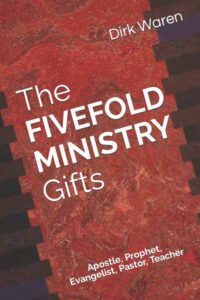
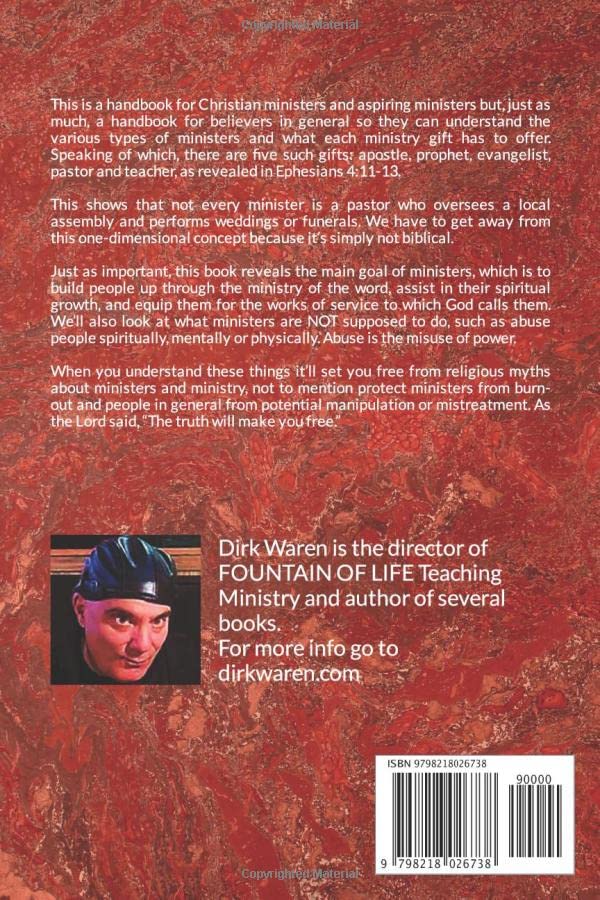
- You can purchase the print version here for only $7.38 (175 pages).
- Or get the Kindle eBook here for only 99¢
Both links allow you to LOOK INSIDE the book.
Related Topics:
The Fivefold Ministry Gifts — Apostle, Prophet, Evangelist, Pastor and Teacher
The Gist on Giving and “Tithing”
Provision, Money and “Prosperity”
What Are THE BASICS of Christianity?
